

Nutrient inputs into the North Sea still too high
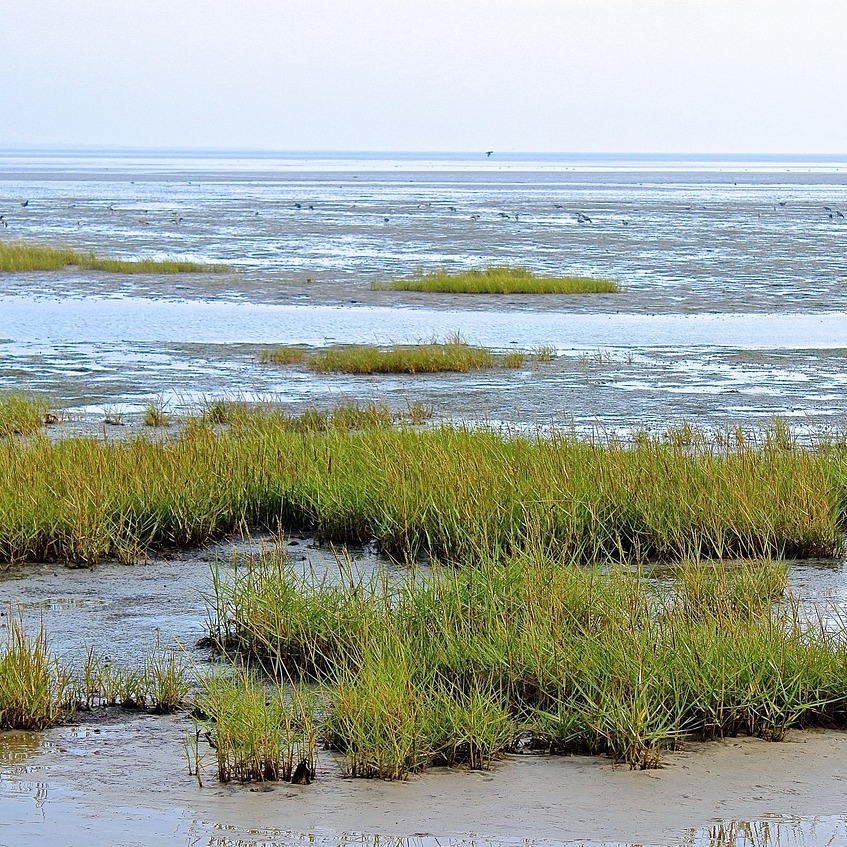
Despite decades of efforts to reduce nutrient inputs into waterways and subsequently into the North Sea, the Wadden Sea is still too eutrophicated due to an excess of nitrogen and phosphorus.
In September 2025, the four-year research project NAPSEA (N and P — from Source to Sea) came to an end. In this project, researchers from the Netherlands, Germany and Austria, with the participation of the German Federal Environment Agency, investigated effective measures for reducing inputs using the Wadden Sea as an example. One of the key deliverables at the end of the project was a policy brief highlighting the needs and opportunities for integrated nutrient management to national political bodies and authorities.
Case Studies: Three rivers and the Wadden Sea
Specifically, the two largest nutrient inflows of the Wadden Sea, the Rhine and Elbe in Germany and the Hunze in the Netherlands, were examined. The latter is characterized by a catchment area with a strong agricultural influence.
As a result of efforts to protect water bodies to date, nutrient concentrations have fallen by around 50% compared with the 1990s (Elbe) and the 1980s (Wadden Sea), according to the descriptions on the project website. Nevertheless, there are still problems with high phytoplankton growth rates in the Elbe near Hamburg.
While in the northern part of the Wadden Sea the decline in phytoplankton and green algae is noticeable due to the resurgence of sea grass, the southern Wadden Sea is still considered to be too eutrophic. However, researchers are not only concerned with the absolute concentrations of nutrients, but also with achieving a balanced nutrient balance.
In detail, the researchers looked at three complementary perspectives:
- Ecosystem health, i.e. the need for reduction based on existing and new ecosystem indicators,
- input pathways and measures, in particular whether the current policy objectives for water protection are sufficient,
- governance and social acceptance, including whether the public and the agricultural sector support (further) reduction measures.
Reduction requirements much higher than achievable with current targets
With regard to the health of ecosystems, the project participants concluded that the target values set out in the national surface water regulations alone are not sufficient to protect the Wadden Sea from eutrophication. Furthermore, existing and new targets should be derived in a transparent manner. One indicator that is visible to the public, for example, is the return of sea grass to the Wadden Sea.
The scientists calculated nutrient inputs into the Wadden Sea, taking into account climate change until 2050, as well as the case in which existing guidelines such as the Urban Waste Water Treatment Plant Directive, the Nitrates Directive and air pollution control requirements are fully complied with and nature-based solutions (riparian strips and floodplains) also provide nutrient retention. In more advanced scenarios, further targets for expected nutrient reduction were then examined:
- Depending on their size, sewage treatment plants achieve today’s average nutrient retention and effluent concentrations
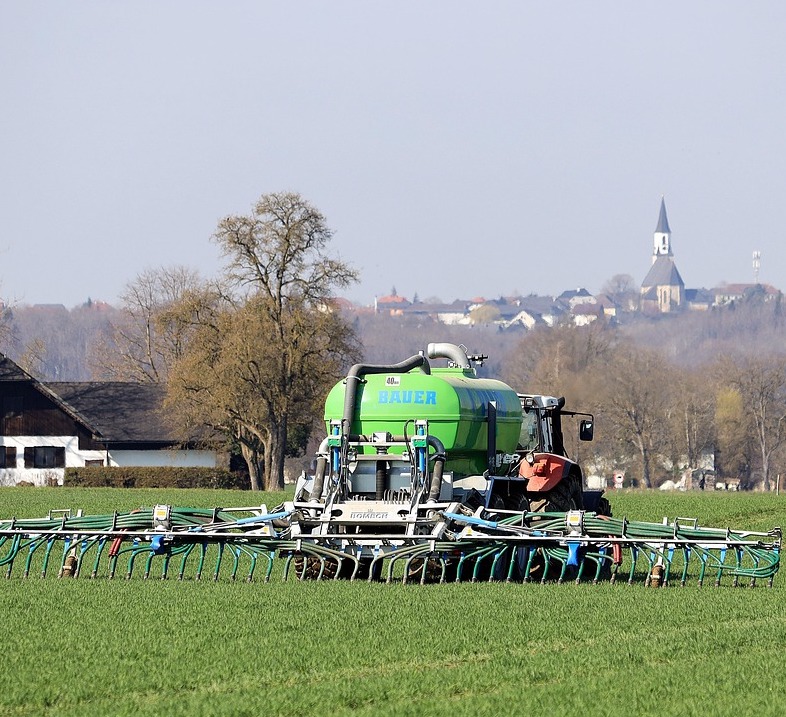
- Reduction of nitrogen surpluses in Germany through site-specific fertilization (limited to 80% of plant requirements)
- Reduction of nitrogen emissions into the atmosphere through the implementation of all technically feasible measures (and implementation of climate targets with significantly lower livestock numbers)
- Expansion of active floodplain area by 20% (connection of 30% of old floodplains)
Based on the scenarios considered, the project participants concluded that more drastic targets and measures beyond the current water protection legislation are necessary to achieve the reduction requirements identified in the analyses.
The Federal Environment Agency intends to actively contribute the results of the NAPSEA project to national and international discussions on combating eutrophication.