


Toxicity on the rise: Biodiversity worldwide increasingly threatened by pesticides
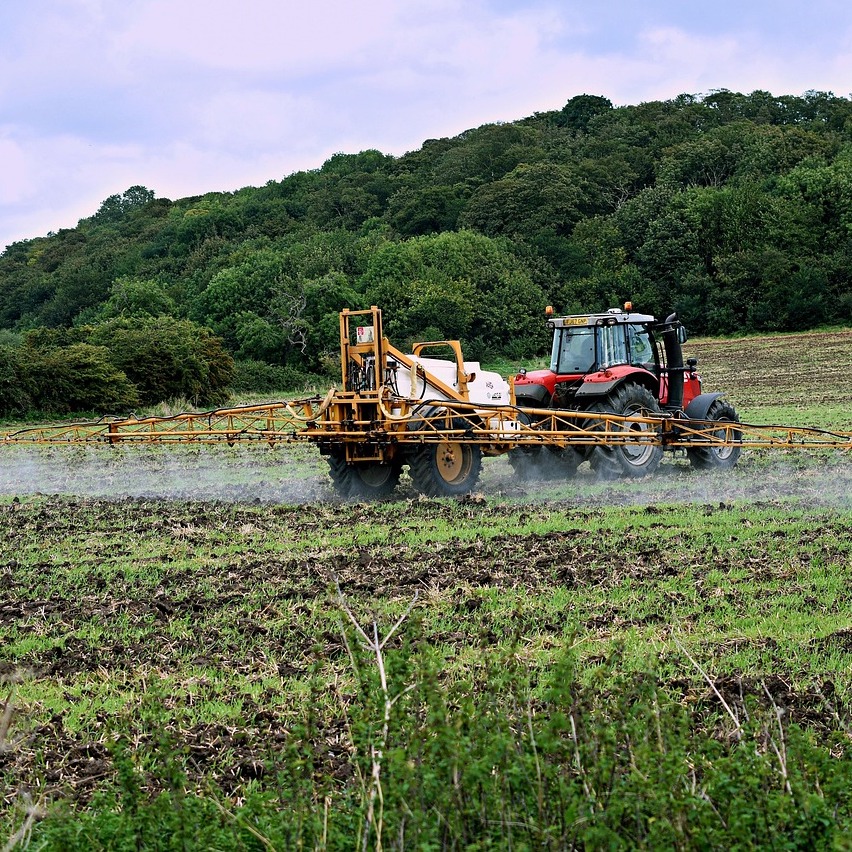
At the 14th UN Biodiversity Conference (COP15) in Canada in 2022, the countries of the world agreed to reduce the risks posed by pesticides by 50% by 2030. A research team at RPTU Kaiserslautern-Landau recently analyzed the toxicity of pesticides used and concluded that the UN target cannot be achieved without further efforts.
For their study, the researchers calculated the total applied toxicity (TAT) from data on global pesticide use. This encompasses the toxicity of all pesticides used in a country’s agriculture per year. For these TAT values, the team led by environmental scientists Prof. Ralf Schulz and Dr. Jakob Wolfram developed a method for estimating the potential global impact of pesticides on biodiversity.
“This gives us a whole new perspective on the potential risks to the environment and biodiversity posed by the use of pesticides,” emphasizes Ralf Schulz.
Global comparability of data is crucial
In order to assess the risks posed by pesticides worldwide and compare different countries, scientists needed data on the annual amount of active ingredients used in agriculture per country and their toxicity to animals and plants that are not targeted by pesticide use but may be affected by it. This data was available for the years 2013 to 2019, i.e., from the reference period (2010–2020) on which the UN resolution is based.
“For a continuous and comprehensive assessment, it would be important for all countries to provide annually updated data on pesticide use per active ingredient. This would allow us to calculate immediately whether countries are on track to achieve the targets set by the UN Biodiversity Conference,” says Jakob Wolfram.
This study has now presented the first dataset covering 625 pesticides. Data from seven different regulatory systems were collated for this purpose. It summarizes the toxicity of these pesticides for eight of the organism groups used in pesticide approval.
Applied toxicity has increased
The results of the calculations show that the toxicity applied has increased significantly over the period under review. This was caused either by the increase in the agricultural area, the increase in the dosage per area (intensification of agriculture), the use of more toxic agents, or combinations of these three reasons.
Particularly significant increases in toxicity are evident in land insects, soil organisms, and fish. Invertebrate aquatic organisms, pollinating insects, and land plants are also more severely affected (see graph). Declining values were only observed in aquatic plants and terrestrial vertebrates.

Rising trends in pesticide toxicity are hindering the achievement of the UN’s global goals for safeguarding biodiversity.
Graphic, RPTU, Sina Hurnik
Interplay between cultivated land and crops is significant
The study found that the cultivation of fruit and vegetables, corn, soybeans, cereals, and rice accounts for 80% of the pesticide toxicity applied worldwide. The countries with the highest toxicity levels are Brazil, China, the US, and India. In Africa, researchers expect an increase as agriculture intensifies. This is often accompanied by the use of more toxic active ingredients. Data on global pesticide use from the Food and Agriculture Organization (FAO) show an increase even beyond the observation period of this study.
A trend reversal is needed
According to the study, Chile is the only country that can achieve the UN target without additional measures, while China, Japan, and Venezuela showed a downward trend in toxicity applied during the observation period.
However, other countries, including Germany, would have to return to the level of toxicity applied more than 15 years ago in order to achieve the UN target.
Jakob Wolfram emphasizes: “This can probably only be achieved
if, in addition to switching to less toxic active ingredients, significantly more land is converted from conventional to organic farming, which would also have further positive effects on ensuring global biodiversity.”
Original publication: www.science.org/doi/10.1126/science.aea8602