


How a global plastics treaty can still be saved
The global plastics treaty, which according to the plan of the UN Environment Assembly (UNEA) should have been adopted as early as 2024, has reached a deadlock. This is the sobering result of the latest and sixth meeting of the Intergovernmental Negotiating Committee (INC), which took place in August 2025 and is tasked with negotiating this agreement. Four Helmholtz scientists who participated in INC conferences as official observers and advisors to the German delegation are now calling for a reform of the negotiation process.
Dr Paul Einhäupl and Linda Del Savio from the Research Institute for Sustainability (RIFS), Dr Melanie Bergmann from the Alfred Wegener Institute and Prof. Annika Jahnke from the Helmholtz Centre for Environmental Research outlined in a comment published in the journal Nature in February 2026 where the weaknesses of the negotiations to date lay and what, in their view, needs to change in order for the global plastics treaty to become a reality after all.
Alarming figures
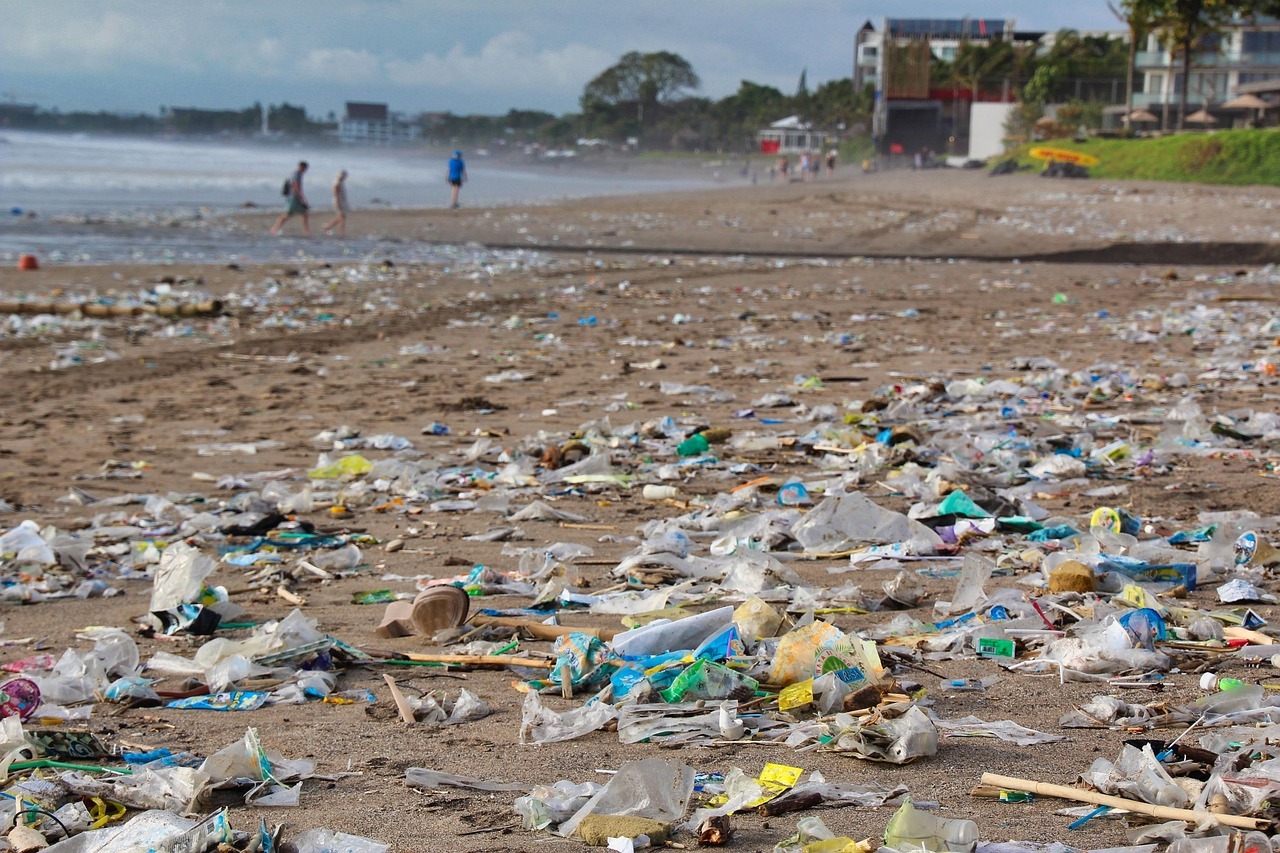
Images depicting the extent of environmental pollution with plastics worldwide are numerous and alarming. The authors site figures from a 2020 study:
Between 1950 and 2017, a total of around 9.2 billion tonnes of plastics were produced worldwide. Of this, around 2.9 million tonnes are currently in use, including around 700,000 tonnes of recycled plastics. The amount of plastic waste generated during the same period is around 7 billion tonnes, of which approximately 12–13% was incinerated and around 5.3 billion tonnes was sent to landfill.
The authors estimate that plastic production alone accounts for around 5% of global greenhouse gas emissions.
Große Anteile der Kunststoffabfälle sind in der Umwelt mobil, etwa weil sie leicht und voluminös sind wie Flaschen oder Folien und deshalb durch Wind und Wasser über weite Strecken transportiert werden können. Exporte von Plastikabfällen aus Industrieländern, beispielsweise aus der EU in verschiedene asiatische Länder, führen außerdem dazu, dass manche Küsten- und Inselstaaten überproportional an dieser Verschmutzung zu leiden haben.
Why reaching an agreement is so difficult
The global plastics agreement is intended to cover the entire life cycle of plastics, from production, transport and use to waste treatment and recycling. It is precisely this comprehensive approach that is part of the problem:
“Addressing the full life cycle of plastics makes negotiations for a global plastics treaty particularly difficult, highlighting the deep interconnectedness of contemporary environmental and societal issues. However, the negotiations also present a rare opportunity to address these interlinked issues more coherently and effectively at the multilateral level“, says the lead author of the Nature article, Dr Paul Einhäupl.
One difficulty, for example, is that the positions taken by the participating nations are shaped by their respective economic structures: Countries whose economies are heavily dependent on oil and natural gas, still the most important raw materials for plastics production, have an interest in regulating waste management, but not production.These countries include the United States, Russia and the Arab states. The EU countries, Canada and Norway are more inclined to incorporate their own ambitious standards into a global agreement. In the long term, this could open up external markets for products and technologies that are compatible with high environmental and health standards or help to achieve them.
Poor countries, which do not benefit from the plastics industry but suffer disproportionately from the littering of beaches and waterways, support the regulation of the entire life cycle of plastics, including the regulation of chemical composition and financial support for waste collection and recycling.
Last but not least, the petroleum industry lobby, with numerous representatives present during the negotiations, did its part to prevent any restrictions on plastic production.
Author Dr Melanie Bergmann (AWI) adds: “Separating negotiations on key issues such as capping plastic production and financing waste management makes it easy to pit traditional donor and recipient countries against each other. But the two issues are interlinked: The more plastics produced, the more infrastructure is needed. This has been used to increase division rather than bring the parties’ positions closer together towards an agreement.”
Revival of negotiations through three significant changes.
The authors are placing their hopes in Julio Cordano. The Chilean diplomat was elected as the new chairman of the INC on 7 February 2026.
They are calling for the following points to be implemented in order to reach an agreement between the states after all:
- Prioritization and sequencing: Decide on the most important issues and set priorities through heads of delegation meetings to facilitate the decision making process along goals and milestones rather than a set timeline.
- Procedural clarity: Implement clear procedural rules to avoid diversion, including guidelines for drafting, documenting agreements from informal sessions, and resolving disagreement.
- Majority fallback voting: Strengthen options to achieve consensus by introducing a mechanism for majority rule voting in specific circumstances and rules, such as when broad support for a policy emerges but a minority blocks progress.