

Liquid hydrogen storage from biogenic byproducts: Sweet LOHC
Using hydrogen without the hassle and risk of transporting and storing this explosive gas: that’s what liquid organic hydrogen carriers (LOHCs) make possible. In a new research initiative, researchers at Forschungszentrum Jülich aim to investigate suitable storage molecules that can be produced from biowaste—Sweet-LOHC.
LOHCs are carrier materials that can bind and release significant amounts of hydrogen without undergoing any changes. Furthermore, they can be stored and transported just like liquid fuels.
Which molecules are candidates?
The substances suitable for binding hydrogen (hydrogenation) are unsaturated, mostly aromatic organic compounds. A key factor for their handling is that both the unsaturated and the hydrogenated forms are liquid at room temperature.
An example of such an organic molecule is benzyltoluene. In an exothermic reaction at approximately 50 bar and elevated temperatures (150–320 °C), this chemical absorbs six times the molar amount of hydrogen. The hydrogenation reaction is exothermic. At the point of hydrogen use, this reaction energy must be reapplied to release the hydrogen.
A plate reactor for dehydrogenation was developed at the University of Nuremberg as part of the LOReley project (Power-Density H₂ Release in LOHC Reactors Using Efficient Surface Catalysts). In this system, platinum is used as the catalyst material. The reaction cycle can be viewed, among other places, at the Chair of Chemical Reaction Engineering at the University of Nuremberg.#
New: bio-based raw and a copper catalyst
In the new research focus at the Institute for a Sustainable Hydrogen Economy (IHE), Prof. Peter Wasserscheid’s team is focussing on organic waste materials as raw materials for the production of LOHC.
„Carriers based on renewable feedstocks make chemical hydrogen storage significantly more attractive and sustainable,“ says Professor Peter Wasserscheid.
The IHE director is regarded as one of the key pioneers of LOHC technology.
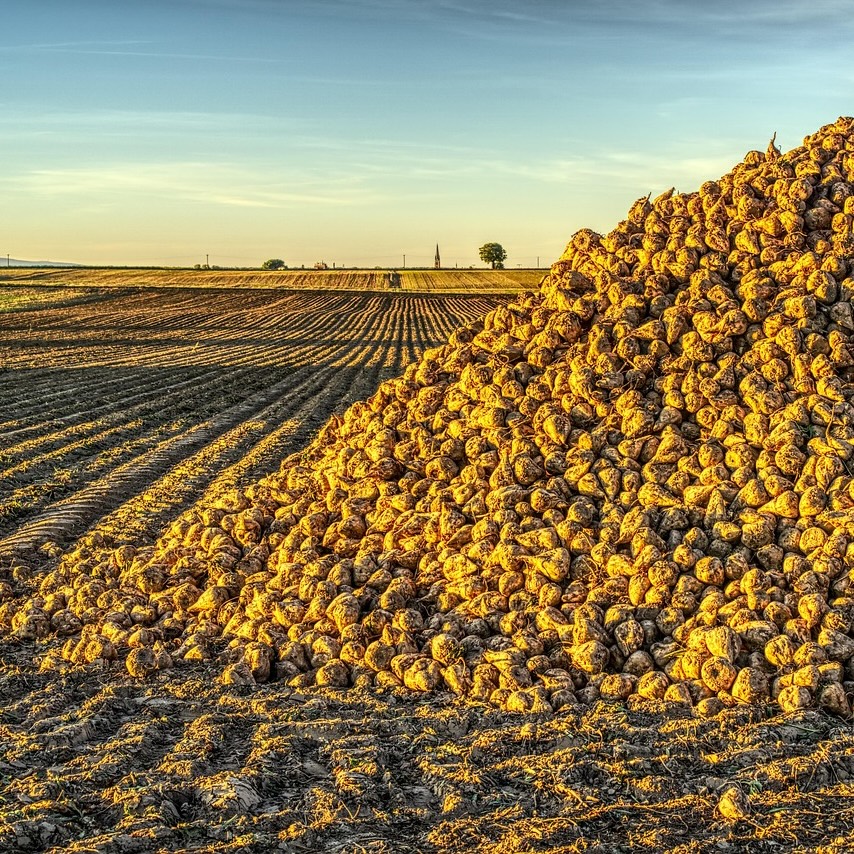
Such bio-based LOHCs can therefore be obtained, for example, from waste products of sugar beet processing, using bioreactors. The name Sweet-LOHC refers to this source of raw material.
Another advantage of Sweet-LOHC is the possibility to use copper as catalyst for dehydrogenation. Copper is cheaper than platinum that has been used in former projects. The option to use copper arose from the work of a Chinese research team, which was published in Nature Energy in the summer of 2025 and commented on by Peter Wasserscheid.
Using bio-based hydrogen storage systems at a regional level
The researchers in Jülich do not wish to focus solely on the chemical aspects of sustainable LOHCs; they also already have an idea of how the sourcing of raw materials, LOHC production, their hydrogenation, transport, dehydrogenation and the subsequent use of the recovered hydrogen can be implemented at a regional level.
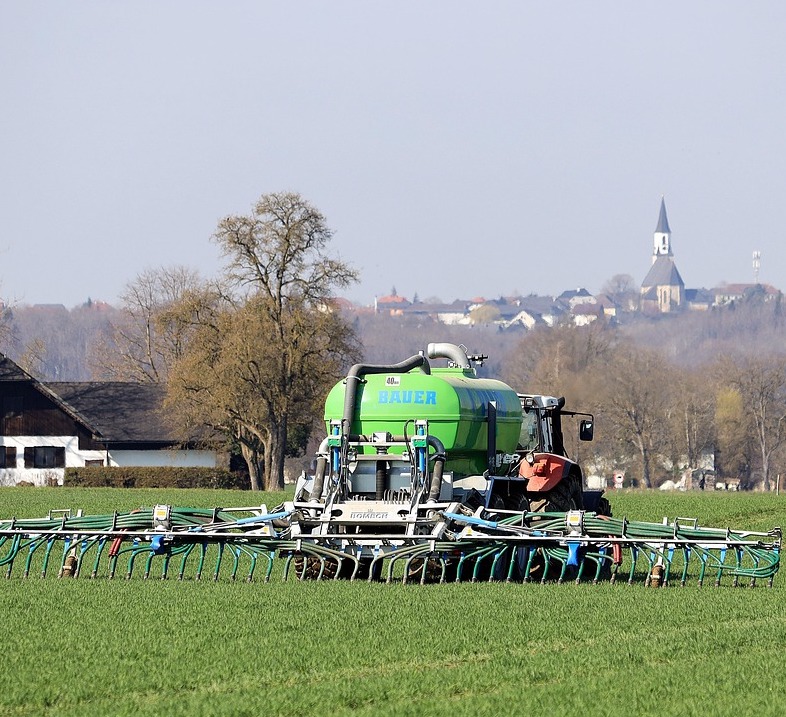
The LOHC cycle can therefore be integrated into the cultivation, harvesting and processing of sugar beet. The hydrogenated LOHCs are intended for use in large agricultural machinery, with the dehydrogenation process to release the hydrogen potentially taking place directly on the machines. Peter Wasserscheid proposes the Rhenish region as a demonstration site for such technological concepts:
„The Rhenish mining area is ideally suited to demonstrating technological concepts of this kind. There is abundance of biological residual materials here, as well as wind turbines and photovoltaic systems. Farmers can use green electricity to run electrolyses, load the hydrogen onto the biogenic carrier and the power their tractors and machinery with it.“
Featured image: Markus Distelrath / Pixabay