
EU project UNICO₂RN: Proteins and bioplastics from biogenic CO₂
The EU project UNICO2RN has been running since June 2025, with researchers from seven countries aiming to combine CO₂ capture from biological sources with bioconversion of this gas into proteins and plastics.
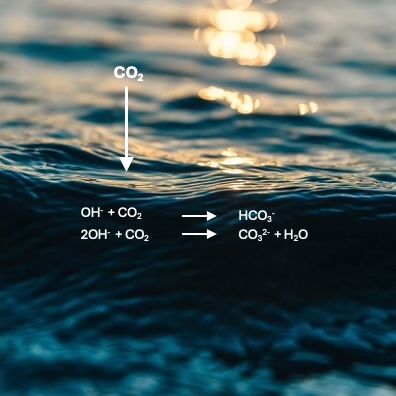
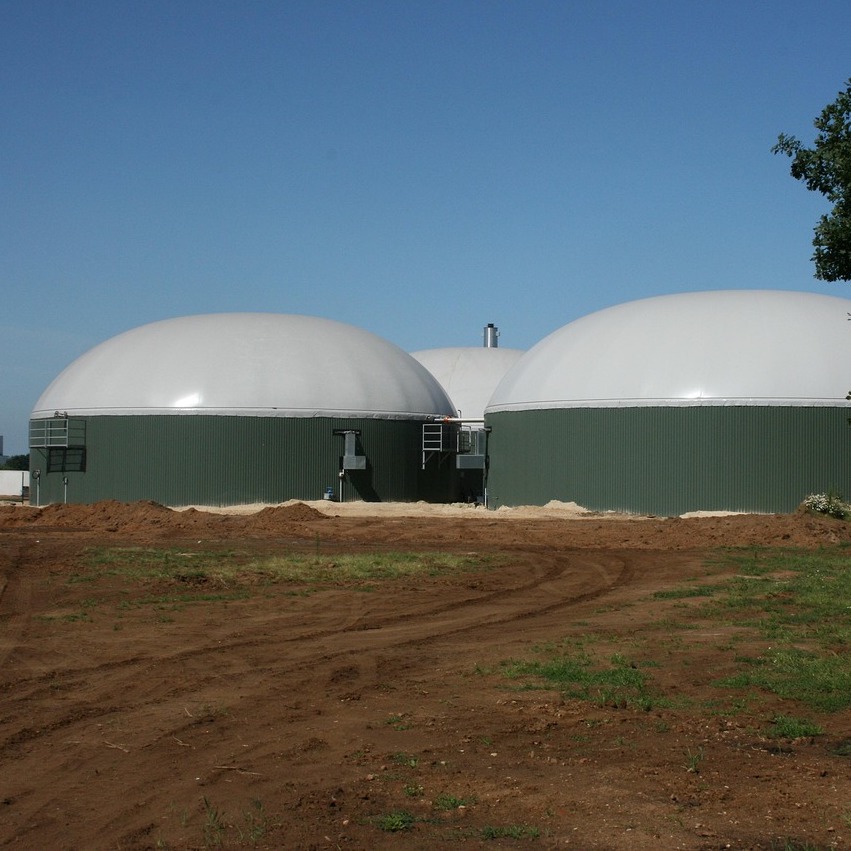
UNICO2RN will run for a total of four years and has a budget of around €7.5 million. It addresses CO2 emissions that are unavoidable during the treatment of biomass and organic waste, as they are produced as by-products in the respective processes. Typical examples include the CO2 content in biogas, which is produced during the fermentation of biomass or organic waste, and the generation of CO2 during the composting of plant material.
Using MOFs to recover CO2
The challenge in capturing CO2 from point sources in the processing of biogenic materials lies in extracting the gas with sufficient purity from gas mixtures produced by various bioprocesses. To this end, a pressure-swing adsorption plant using MOFs (metal-organic frameworks) as adsorbents is being constructed. The plant must meet the requirements for subsequent bioconversion of the captured carbon dioxide and be easily integrable into the process environments of the two planned, different demonstration sites.
Using MOFs to recover CO2
The captured CO2 is fed into a fermenter, where it is converted into valuable products in the presence of hydrogen-oxidising microorganisms. The target products are microbe-derived proteins that can be used in the food and feed industries, as well as polyhydroxyalkanoates (PHA) for the production of bioplastics.
The entire process chain, comprising CO₂ capture and bioconversion, will be implemented on a demonstration scale at the two sites. The conversion products will undergo extensive testing to determine whether they meet all regulatory requirements and market standards.
Project consortium
A total of 10 partner organisations are collaborating on this project. Coordination is led by the Flemish research institute VITO. Other organisations involved in the project include Aerbio (Denmark), CO2BioClean (Germany), Idener (Spain), Lesaffre (France), Nizo Food Research (Netherlands), the Nova Institute (Germany), Nuada Carbon Capture (United Kingdom), Sabiomaterials (Italy) and Veolia (Belgium).
Featured image: Jan Nijman / Pixabay